
The Vibe Branding Shift
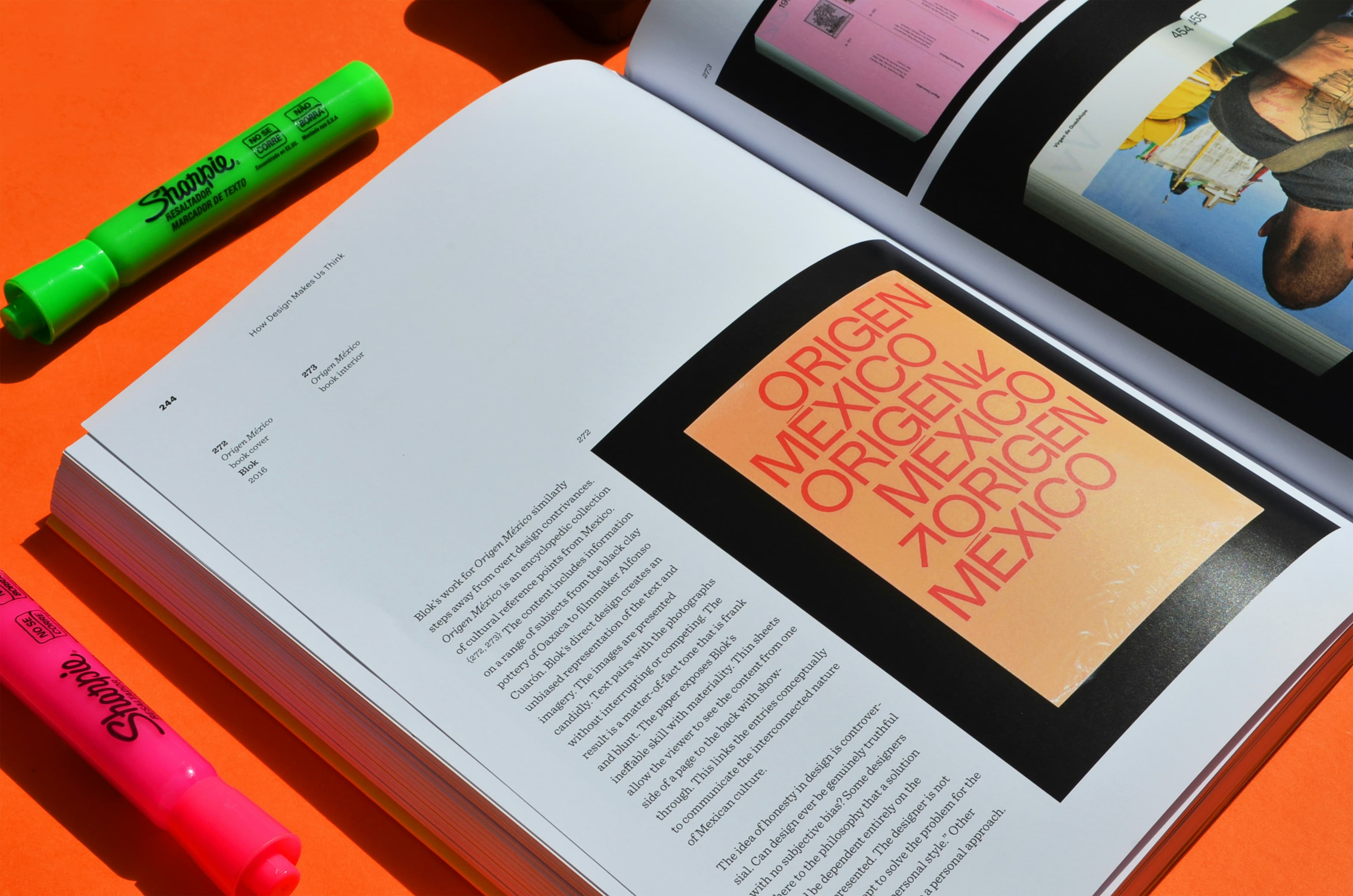
As AI content collapses the cost of saying more, brands are competing on feeling instead of messaging.
Vibe Branding: What Happens When Every Brand Can Say Anything
For as long as marketing has existed, the question has been: what should we say?
In 2026, a growing number of brands have quietly stopped asking that question. The question they're asking instead is: what should this feel like?
The industry is calling it vibe branding. It isn't a rebrand of mood boards, and it isn't a synonym for aesthetics. It's a direct response to a very specific problem, one that AI created, and one that message-based branding no longer has an answer for.
The problem AI created
Generative tools collapsed the cost of producing content to near zero. Any brand can now generate a week's worth of copy, captions, and campaign concepts in an afternoon. That sounds like an advantage. In practice, it's erased one.
When everyone can say more, saying more stops being a differentiator.
Worse, AI-generated creative tends to converge, trained on similar data, optimized against similar benchmarks, it produces work that increasingly resembles the competitor's output rather than standing apart from it. Marketers are already flagging this as a live concern: the tools built to help brands stand out are quietly making them look more alike.
Volume used to be a form of dominance. A brand that posted more, said more, and showed up more often had an edge. That edge is gone. What replaces it is harder to fake and harder to automate: a consistent emotional signal that holds together across every place a brand appears, not because of what it says, but because of what it feels like to encounter it.
That's vibe branding. And it's less a new trend than a correction — the market re-discovering that identity was never really carried by messaging. It was carried by feeling, and messaging was just the vehicle.
What it looks like in practice
Three examples currently anchoring the conversation illustrate the range of what this looks like operationally.
A well-known eyewear retailer built its entire retail identity around surreal, immersive store installations that communicate personality before a single product claim is made, the environment does the branding work a tagline used to do.
A fintech brand walked away from the visual language the entire category shares, the blues, the charts, the clean sans-serifs, for an emotionally driven creative direction that reads closer to a record label than a financial product. A heritage fashion house handed elements of its visual identity directly to the communities it wanted to reach, rather than dictating the identity down to them.
None of these are stories about clever copywriting. They're stories about brands deciding that the feeling of an interaction is the actual asset, and the words are downstream of it.
Why this is harder to copy than it sounds
Here's the part that makes vibe branding a genuine strategic shift rather than a design trend: it is significantly harder to fake than a content calendar, and significantly harder to measure, which is exactly why it's been undervalued until now.
A brand voice guideline can be copied. A content cadence can be copied. A recognizable feeling, held consistently across retail, product, packaging, social, and customer service, requires something a competitor can't simply screenshot: a genuinely held point of view about who the brand is, applied with discipline everywhere it shows up.
That consistency is the actual differentiation. It's why brand teams have historically lost internal budget arguments to performance marketers, feeling doesn't show up cleanly in a weekly dashboard the way a click-through rate does. But as automated content pushes cost-per-impression down and generic AI creative pushes engagement down with it, that argument is getting harder to win with a spreadsheet alone.
This is the same case we made in The Science of Meaning: Why Strategic Brand Systems Outperform Slogans: recognition and understanding are not the same achievement, and a business optimizing for the first while ignoring the second is building a brand that's seen but not felt. Vibe branding is what that argument looks like once AI has made "being seen" cheap enough for anyone to buy.
What this means operationally
Vibe branding isn't a departure from strategy — it's what happens when strategy gets applied more honestly. A few implications follow directly.
It starts upstream of content, not inside it. A consistent feeling can't be assigned to a content team as a deliverable. It has to be defined at the brand-strategy level, personality, tone, sensory language, what the brand should never sound or look like, and then enforced everywhere execution happens, including places a content calendar never reaches: retail environments, packaging, customer service scripts, hiring pages.
It requires giving something up. The brands doing this well are deliberately narrower than their competitors. A distinct feeling cannot be all things to all audiences; the fintech brand that abandoned category convention lost the visual safety of looking like every other fintech brand, and that was the point.
It changes what gets measured. If the objective is a felt, consistent identity rather than a message frequency, the metrics shift toward brand recall, sentiment consistency across touchpoints, and unprompted description, how people describe the brand in their own words, not the words the brand gave them.
It's inseparable from visual and sensory discipline. This is the ground we covered in Why Strategy Is Only Real When It's Visual,a brand strategy that lives only in a positioning document was never real. Vibe branding is the sharpest version of that argument yet: if the strategy can't be felt in a physical space or a five-second scroll, it isn't operating.
Where this lands for brands in this region
Vibe branding rewards brands with a genuinely distinct point of view, which is a real opening for brands across Cairo and the Gulf competing against category templates imported wholesale from elsewhere.
A restaurant, a wellness brand, or a fintech in this region that builds a feeling rooted in its own cultural register has an advantage that a brand copying a Western category convention cannot easily replicate, precisely because that convention was never built with this market's sensory and cultural language in mind.
The brands that will struggle are the ones that mistake vibe branding for aesthetics, a moodboard and a color palette, without the strategic discipline underneath it. A vibe without a strategy is decoration. A vibe with one is a moat.
Where to begin
Three questions are enough to start building this honestly.
If someone described your brand to a friend without using any of your marketing language, what would they say? That unprompted description is closer to your real brand than anything in your positioning deck.
Where does your identity currently break down? Most brands are consistent in their content and inconsistent everywhere else, the store, the invoice, the out-of-office reply. Vibe branding lives or dies in those overlooked places.
What are you willing to not say, in order to be felt instead? This is the hardest question, and the one most brands avoid. Saying less, more deliberately, is the actual mechanism, not a bigger content engine.
Frequently asked questions
What is vibe branding? Vibe branding is a brand strategy approach centered on building a consistent, recognizable feeling across every touchpoint, retail, product, content, and community, rather than competing primarily through messaging volume or content output.
Is vibe branding just visual branding with a new name? No. Visual identity is one input. Vibe branding extends the same discipline into physical space, sensory detail, tone, and community interaction, anywhere a brand is experienced, not just anywhere it's seen.
Why is this trending now specifically? Generative AI has made content production cheap enough that message volume no longer differentiates a brand, and AI-generated creative increasingly converges toward category sameness. A distinct, consistently held feeling is harder to automate and harder to copy.
How do you measure something as intangible as a vibe? Through brand recall, sentiment consistency across touchpoints, and unprompted description, how audiences describe the brand unprompted, in their own words, compared with the language the brand actually uses.
Does vibe branding replace brand strategy? No, it depends on it. A distinctive feeling without a strategic foundation underneath is decoration that fades under scrutiny. Vibe branding is what a strong brand strategy looks like once it's applied consistently everywhere a brand shows up.
MKYCOMM is a principle-led marketing communications agency in Cairo. We build brand strategy and identity systems for brands across 15+ countries and four continents.